

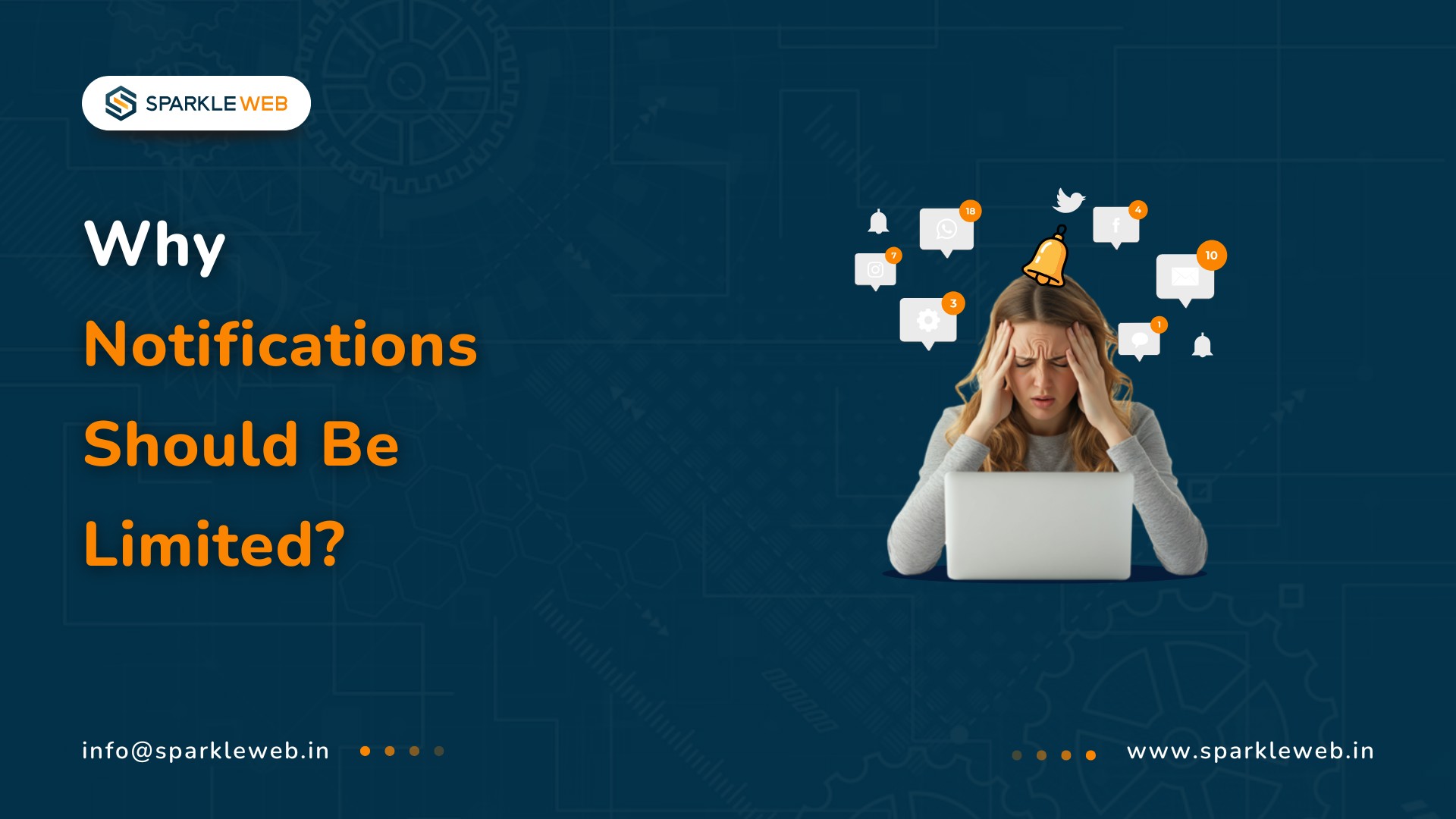
We all use apps every day. And we all get notifications.
At first, notifications were helpful. They reminded us about important things. They told us when something needed our attention.
But now things have changed.
Today, we are not just getting updates. We are getting interrupted again and again.
Every app wants our attention. Every app sends alerts.
Because of this, we feel tired, distracted, and sometimes even irritated.
This is where the real problem starts.
How Notifications Became a Problem
In the beginning, notifications were simple.
We only got alerts for things that really mattered.
Like a message from a friend or a payment update.
But slowly, apps started competing with each other.
Everyone wanted us to open their app more often.
So they started sending more notifications.
Not because they were important, but because they wanted attention.
Over time, useful updates turned into noise.
The Real Issue: Too Much, Too Often
Today, we get many notifications in a single day.
From social media, shopping apps, banking apps, and many others.
Each notification looks small.
But when many come together, it becomes too much.
Every notification breaks our focus.
Every alert pulls our attention.
And this creates mental pressure.
What Happens When We Feel Overwhelmed
1. We Start Ignoring Everything
At first, we try to check notifications.
But after some time, we stop caring.
We think we will check later, but we forget.
Even important messages get ignored.
2. We Turn Off Notifications
When it becomes too much, we go to settings and turn them off.
This means even useful alerts stop coming.
For apps, this is a big loss.
3. We Feel Frustrated
Too many alerts make us feel distracted.
We lose focus while working.
We feel annoyed again and again.
4. We Stop Using the App
Sometimes, we uninstall apps that disturb us too much.
Too many notifications can push users away.
Why Most Apps Get It Wrong
Many apps think sending more notifications is a good thing.
But they forget one important question.
Is this helpful for the user?
Common Mistakes We See
-
We send notifications without real value
-
We sent them at the wrong time
- We send the same message again and again
- We do not personalize messages
-
We do not give users control
Because of this, users feel irritated.
What We Actually Want as Users
We do not hate notifications.
We just want better notifications.
We Want
-
Messages that are useful
-
Right timing
- Less frequency
- Control over what we receive
In simple words, we want less noise and more value.
How We Can Fix This Problem
1. We Focus on Value
Before sending any notification, we ask ourselves
Is this really helpful?
If not, we do not send it.
2. We Personalize the Experience
Every user is different.
We use user behavior and preferences to send better messages.
3. We Respect Timing
We send notifications at the right time.
Not too early and not too late.
4. We Give Control to Users
We allow users to choose what they want.
They can turn off some notifications and keep important ones.
5. We Use Smart Triggers
Instead of fixed messages, we send notifications based on actions.
Like when a user is inactive or when something important happens.
Real Example
Let us take a fitness app.
Bad way
We send random reminders every day.
Good way
-
We send a reminder when the user usually works out
-
Or when the user has not been active for a few days
Same feature, but better experience.
Business Impact
When we improve notifications, we see better results.
-
More users stay active
-
Users trust the app more
- Engagement improves
But if we send too many notifications, we lose users.
Role of Technology Partners
At Sparkle Web, we help businesses build better digital products.
We focus on:
-
Understanding user behavior
-
Creating smart notification systems
- Improving user experience
- Building scalable apps
Our goal is simple.
We build products that users like to use.
Not products they want to ignore.
Conclusion
Notifications are powerful.
But only when we use them in the right way.
-
Too many notifications create noise.
-
The right notifications create value.
The difference is how we design them.
Final Thought
-
If we respect users time and attention, users will stay with us.
-
If we keep interrupting them, they will leave.
- So we choose carefully.
- We send less.
-
We send better.
-
We focus on what really matters.
Contact us! If your product is struggling with low engagement or high notification drop-offs
It may not be your users.
It may be your notification strategy.
Let’s fix it the right way.
Mohit Kokane
A highly skilled Flutter Developer. Committed to delivering efficient, high-quality solutions by simplifying complex projects with technical expertise and innovative thinking.
Reply